
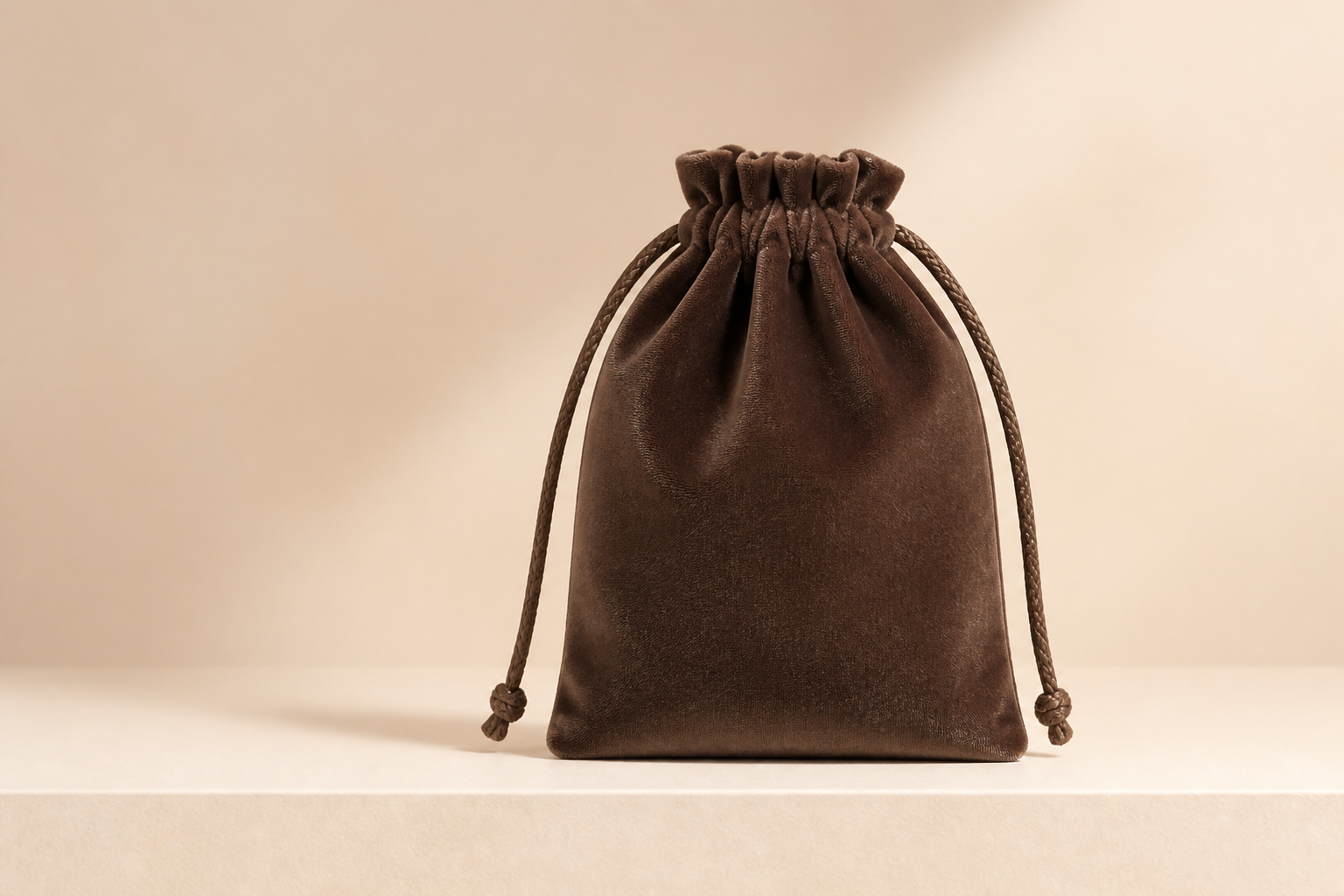
For B2B packaging buyers, a useful decision connects a clear brand requirement with a product format that can be sampled, inspected and delivered consistently. This guide shares practical considerations for buyers sourcing custom fabric packaging bags.
The Best Logo Method Depends On The Fabric
A logo that looks sharp on a rigid box can behave very differently on a soft fabric pouch. Texture, pile, sheen, colour contrast, printable area and the smallest line in the artwork all change the result. The most reliable approach is to choose the logo method after the material and bag format are clear.
Screen Printing: A Practical Choice For Clear, Bold Artwork
Screen printing is often considered for cotton, canvas and some smoother fabric surfaces when the logo uses solid colours and a clear shape. It can suit high-volume retail, promotional and reusable-bag programs. Buyers should provide the final artwork, logo size and colour reference so the sample can confirm edge clarity and contrast.
Foil And Heat-Applied Finishes: For A More Refined Accent
Metallic foil or heat-applied finishes can create a more polished accent on suitable velvet, satin, PU or smooth fabric applications. They are usually strongest when the logo is not overly intricate and when contrast with the bag colour is planned carefully. A sample should check foil coverage, alignment and whether the finish changes the fabric surface.
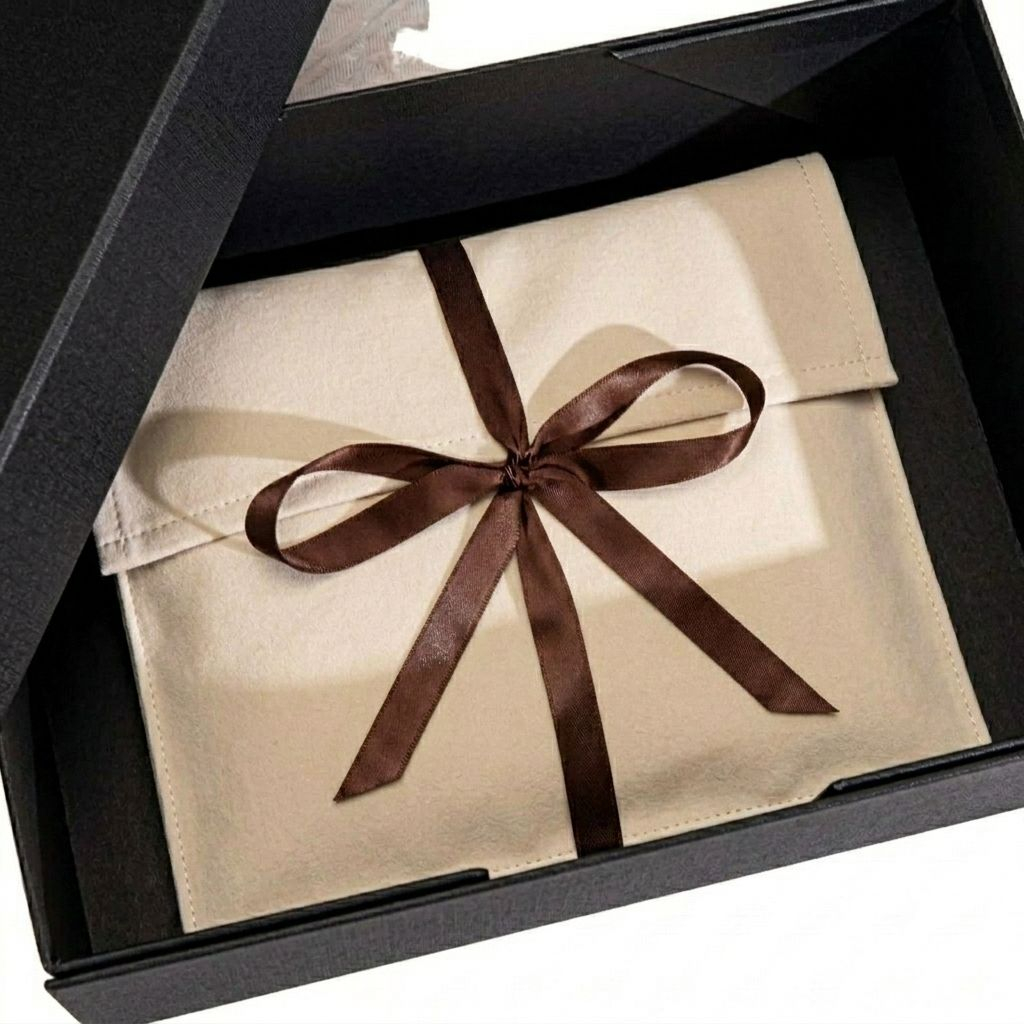
Embroidery: Tactile, Durable And Best For Simpler Marks
Embroidery adds a stitched, dimensional look and can work well on thicker cotton, canvas and selected velvet constructions. It is most effective for logos with enough space between lines and letters. Fine text, very small symbols and dense colour gradients may need another method to remain legible.
Woven Labels And Patches: Useful When The Logo Needs Separation
A woven label or patch can be a useful alternative when a logo needs very fine detail, when the bag fabric is difficult to print on, or when the brand wants a separate tactile element. Placement should be planned with the opening, drawcord channel, seams and product orientation so it remains visible in use.
How Cotton, Velvet, Satin And Organza Change The Decision
Cotton provides a stable, natural surface for many bold logo treatments. Velvet has pile and depth, so logo scale and contrast need extra care. Satin reflects light, which can make a subtle logo look different from one angle to another. Organza is lightweight and transparent, so simple marks and considered placement are often more effective than dense artwork.
Compare the four core materials →
What To Check On The Sample
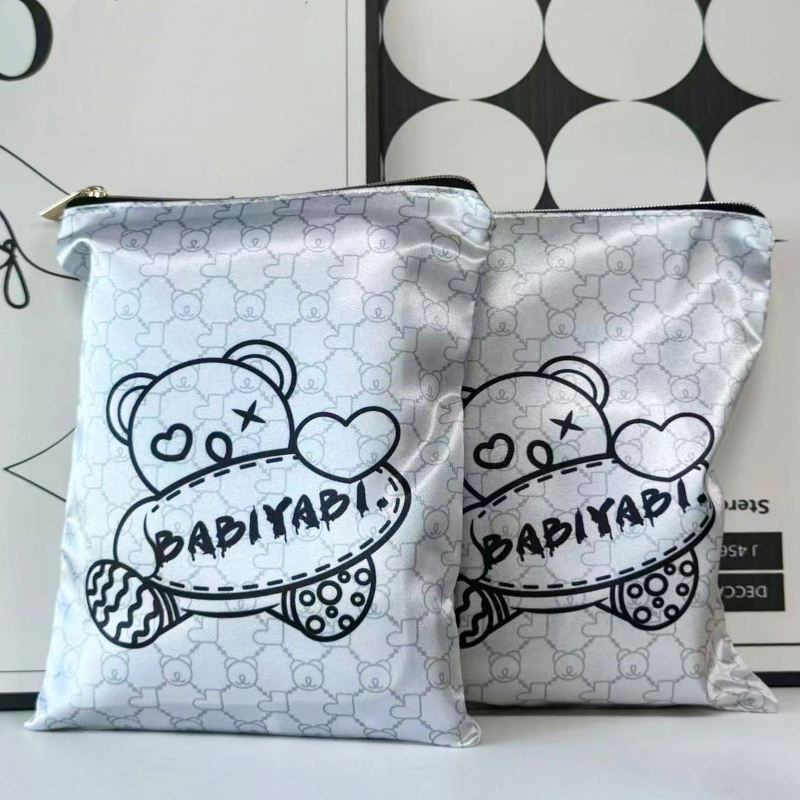
Review the logo at normal viewing distance and in the lighting where the product will be sold or photographed. Check position, size, colour, line clarity, foil coverage or stitch density, and whether the closure changes how the logo sits. The approved sample should become the reference for production inspection.
Send The Right Files Before Sampling
A productive logo review starts with vector artwork, the intended bag colour, approximate logo dimensions and a description of the desired finish. If there are brand rules for clear space, metallic colours or placement, include them in the brief so the sample process starts from the correct reference.
NEXT STEP
Discuss Your Custom Packaging Project.
Send your size, material, logo and quantity requirements. Our team can help you compare suitable options and prepare a practical quotation.
Request A Quote