
For B2B packaging buyers, a useful decision connects a clear brand requirement with a product format that can be sampled, inspected and delivered consistently. This guide shares practical considerations for buyers sourcing custom fabric packaging bags.
Why A Better RFQ Gets A Better Custom Pouch Quote
A custom pouch quotation is only as useful as the brief behind it. Buyers often begin with a reference image and a logo, but the factory also needs to understand the product, finished size, material direction, target quantity and delivery plan. A concise RFQ reduces avoidable follow-up questions and makes it easier to compare realistic production options.
1. What Product Will The Bag Hold?
Start with the product type, finished dimensions, approximate weight and any surfaces that need protection. A pouch for earrings, a perfume gift set, a pair of shoes and a leather accessory each needs a different amount of room and a different construction. Include a photo or a simple drawing when available.
Explore bag formats by product →
2. What Finished Size Do You Need?
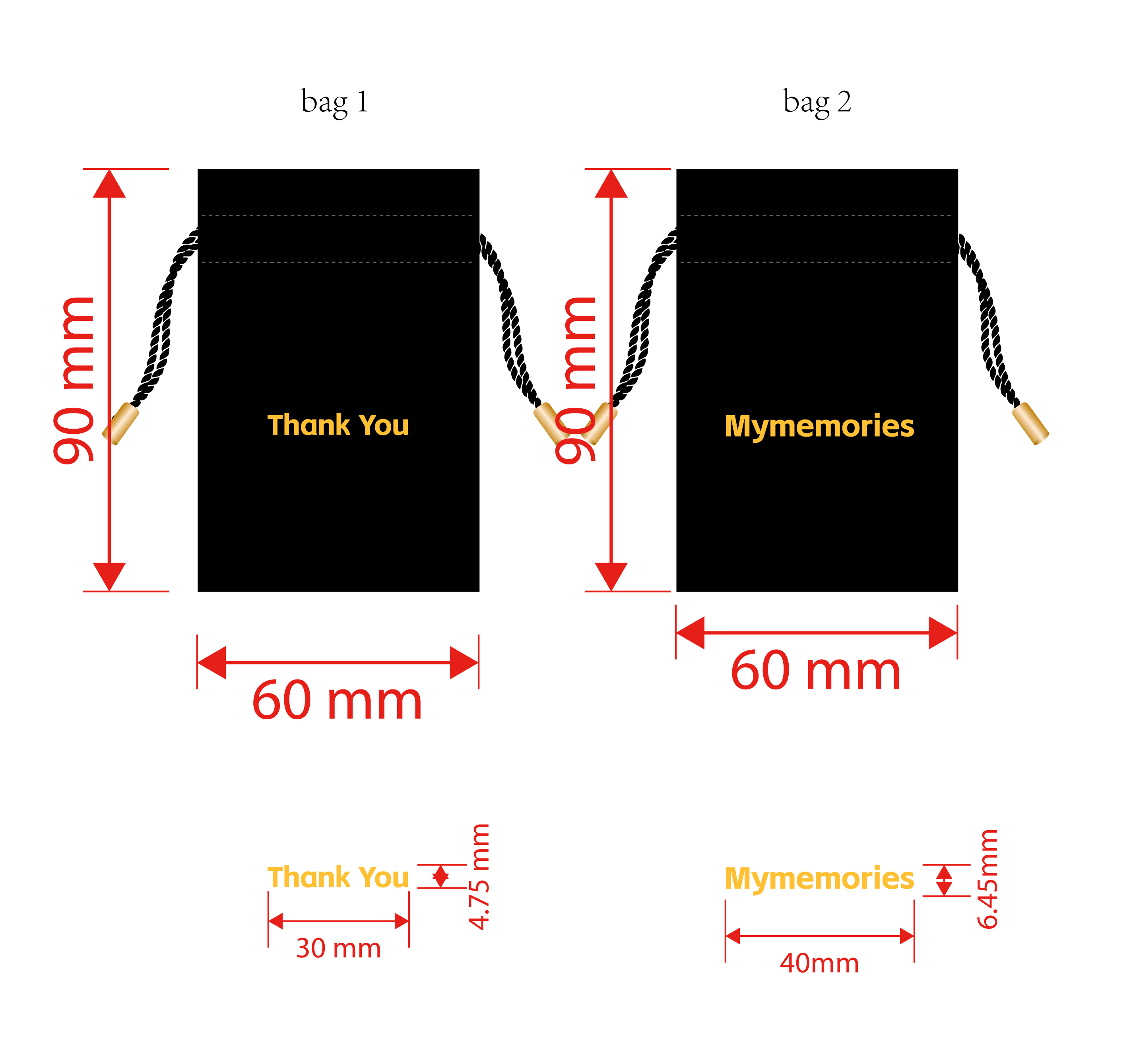
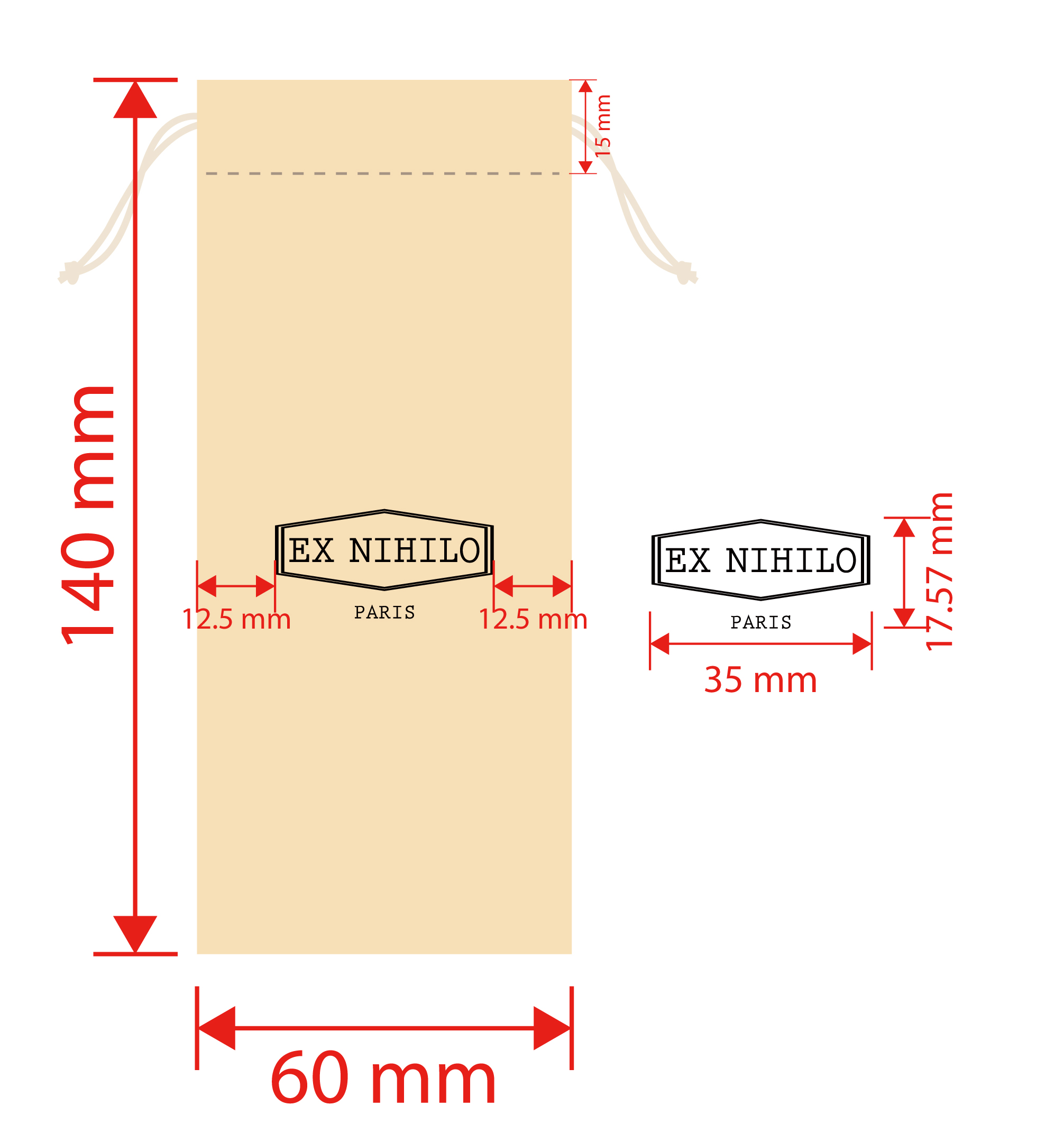
Share the preferred finished width, height and, where relevant, gusset or depth. If the exact pouch size is not decided, give the product dimensions and explain how closely you want the bag to fit. This helps avoid a bag that is either difficult to use or visibly oversized.
3. Which Material And Hand Feel Fit The Brand?
Cotton can support a natural and reusable direction; velvet can add softness and premium protection; satin can create a smooth gift-ready look; and organza can keep smaller products partly visible. State whether the main priority is protection, a luxury feel, visibility, reusability or a target budget.
4. What Logo File And Finish Do You Have?
Attach a vector logo file when possible, such as AI, PDF, EPS or SVG, together with any Pantone or brand-colour reference. Mention whether the logo should look subtle, metallic, raised, bold or highly detailed. The material, print area and logo size all affect which finishing method is practical.
5. What Quantity Are You Planning?
Your target quantity helps determine the practical MOQ, material purchase route, logo setup and unit-cost range. If you are comparing several quantities, list them clearly, for example 500, 1,000 and 3,000 pieces. This gives the supplier a useful basis for price breaks without promising a universal MOQ.

6. Do You Need A Pre-Production Sample?
For a custom pouch, a sample is the safest way to confirm product fit, fabric feel, colour, stitching, closure and logo visibility before bulk production. Identify whether you need a material reference, an artwork mock-up or a complete custom sample, and build sample approval into the launch schedule.
7. What Packing Details Matter?
Mention whether bags need individual polybags, tissue, barcode labels, inserts, inner cartons or specific carton marks. Packing is not an afterthought: it affects how the finished bags arrive at a retail site, fulfillment center or co-packer.
8. Where Is The Order Going And When Is It Needed?
Share the destination country, requested delivery date and any shipping terms or launch deadline. Production timing depends on the approved specification, sample approval, quantity, logo process, packing and freight route. An early date gives the team room to suggest the most workable production plan.
9. Use One Final Approval Record
Before bulk production, keep the approved artwork, colour reference, dimensions, material, logo position, packing instructions and delivery details together in one final record. This is the simplest way for a buyer and manufacturer to work from the same standard throughout production.
NEXT STEP
Discuss Your Custom Packaging Project.
Send your size, material, logo and quantity requirements. Our team can help you compare suitable options and prepare a practical quotation.
Request A Quote